
Dayton Home & Garden Show News

Dayton Home & GardenIt never ceases to amaze me how much flexibility a convention center has. Two weeks ago, it was one of the local playing sites for some of the 400+ teams that participated in the Dayton Juniors Volleyball Club’s annual Presidents’ Cup Tournament. The tourney has grown so large that an additional 40 courts were set up at the Columbus Convention Center! Have you ever experienced a volleyball tournament? Let’s just say the convention center is a place for sensory overload with a lot of bouncing balls, screaming girls and shrieking referee whistles.

This weekend the convention center is the location for the Dayton Auto Show. It is filled with an amazing assortment of those fatastimagorical wheeled buggies that we just can’t live without; I had several favorites! Fast forward to March 23-25 and the convention center will be transformed into a beautiful butterfly when the Dayton Home and Garden Show rolls into town. It’s the perfect place to get a jump-start on your gardening season. Check out my post from last year’s show HERE.

Explore over 250 local and national exhibitors, smell fragrant blooms, view breathtaking landscapes and tablescapes, check out trendy interior designs and attend FREE seminars at the 2nd annual Garden Academy and new cooking stage. Check out the Home & Garden Flyer HERE. Groups of 10 or more get a $3 discount on each ticket when enrolled by March 7. Call 1-800-215-1700 or check out www.daytonhomeandgardenshow.com for more information. Check out printable discount coupons HERE.

Educational Opportunities

Dayton Home and Garden Show – Garden Academy Topic Schedule

YOU CAN DO IT STAGE

Friday, March 23

9 am: “Plants for Shade” with Pam Bennett, OSU

10 am: “Growing Orchids” with Eric Sauer

11 am: “Tree Pruning Basics” with Wendi Van Buren, ODNR Urban Forester

12 pm: “Totally Tomatoes” with Mark Webber of Mark Webber Landscaping

1 pm: “Trustworthy Perennials” with Pam Bennett, OSU

2 pm: “Vertical Gardening” with John Scott of Knollwood Garden Center & Landscapes

3 pm: “Why honeysuckle is bad for your landscape” with Wendi Van Buren, ODNR Urban Forester

4 pm: “How to harvest vegetables year-round” with Mark Webber of Mark Webber Landscaping

5 pm: “What to do with my lawn” with Randy Tischer of Green Velvet Sod Farm

6 pm: TBA

7 pm: TBA

Saturday, March 24

9 am: “New and exciting shade plants for 2012” with Barb Balgoyeh of Walters Gardens

10 am: “So many plants, So many choices. What do I do?” with Barb Balgoyeh of Walters Gardens

11 am: “Perfect trees for any landscape” with Jim Chatfield

12 pm: “Vegetable Container Gardening” with John Scott of Knollwood Garden Center

1 pm: “Growing Raspberries” with Dr. Gary Gao

2 pm: “Hort Couture” with Stockslager’s Garden Center

3 pm: “How to have a great lawn” with Mark Grunkemeyer of Buckeye Ecocare

4 pm: “How much fertilizer does my lawn need?” with Randy Tischer of Green Velvet Sod Farm

5 pm: “New and Unusual Plants 2012” with Keith Manbeck of Willoway Nurseries

6 pm: “Fairy Gardening” with Stockslager’s Garden Center

7 pm: TBA

Sunday, March 25

9 am: TBA

10 am: “Planning a fruit orchard” with Rich Pearson of Cox Arboretum

11 am: “Finding the perfect lilac” with Peter Scarf of Scarf’s Nursery

12 pm: “What to do with your Ash Trees” with Amy Stone

1 pm: “Rain Gardens: Save water and help drainage” with Eric Sauer

2 pm: “Water Garden Plants” with Green Vista Water Gardens

ACADEMY SERIES STAGE

Friday, March 23

9 am: “Making every square inch count: with Mark Webber of Mark Webber Landscaping

10 am: “Why do borers pick on plants?” With Dr. Dan Herms of OSU

11 am: “Gateway Garden Trials” with Pam Bennett of OSU

12 pm: “Invasive Insects in Ohio” with Dr. Dan Herms of OSU

1 pm: “What trees to use to replace ash?” with Wendi Van Buren, ODNR Urban Forester

2 pm: “How can I stop Emerald Ash Borer?” with Dr. Dan Herms of OSU

3 pm: “Color for Landscape” with Steve Foltz of the Cincinnati Zoo

4 pm: “How to build a walk/patio” Areawide

5 pm: “How to build a wall” Areawide

6 pm: “New exciting sun-loving perennials with Barb Balgoyeh of Walters Gardens

7 pm: TBA

Saturday, March 24

9 am: “Why Trees Matter” with Jim Chatfield of OSU

10 am: “Asian Longhorn Beetle” with Joe Boggs of OSU

11 am: “Growing Strawberries” with Dr. Gary Gao of OSU

12 pm: “Soil testing, a basic gardening must do!” with Dr. Chuck Dar of CLC Labs

1 pm: “Designing and building a water garden” with Green Vista Water Gardens

2 pm: “ABCs Landscape Bed Care” with Mark Webber of Mark Webber Landscaping

3 pm: “Growing Blackberries” with Dr. Gary Gao of OSU

4 pm: “Reducing energy bills with trees” with Eric Sauer

5 pm: “How to build a walk/patio” Areawide

6 pm: “How to build a wall” Areawide

7 pm: TBA

Sunday, March 25

9 am: TBA

10 am: “How to know I have Emerald Ash Borer?” with Amy Stone

11 am: “Cutting Garden Plants” with John Scott of Knollwood Garden Center

12 pm: “Shrub Pruning 101” with Rich Pearson of Cox Arboretum

1 pm: “How to build patio/walk” Areawide

2 pm: “How to build a wall” Areawide

3 pm: “Killer Roots” with Mark Webber of Mark Webber Landscaping
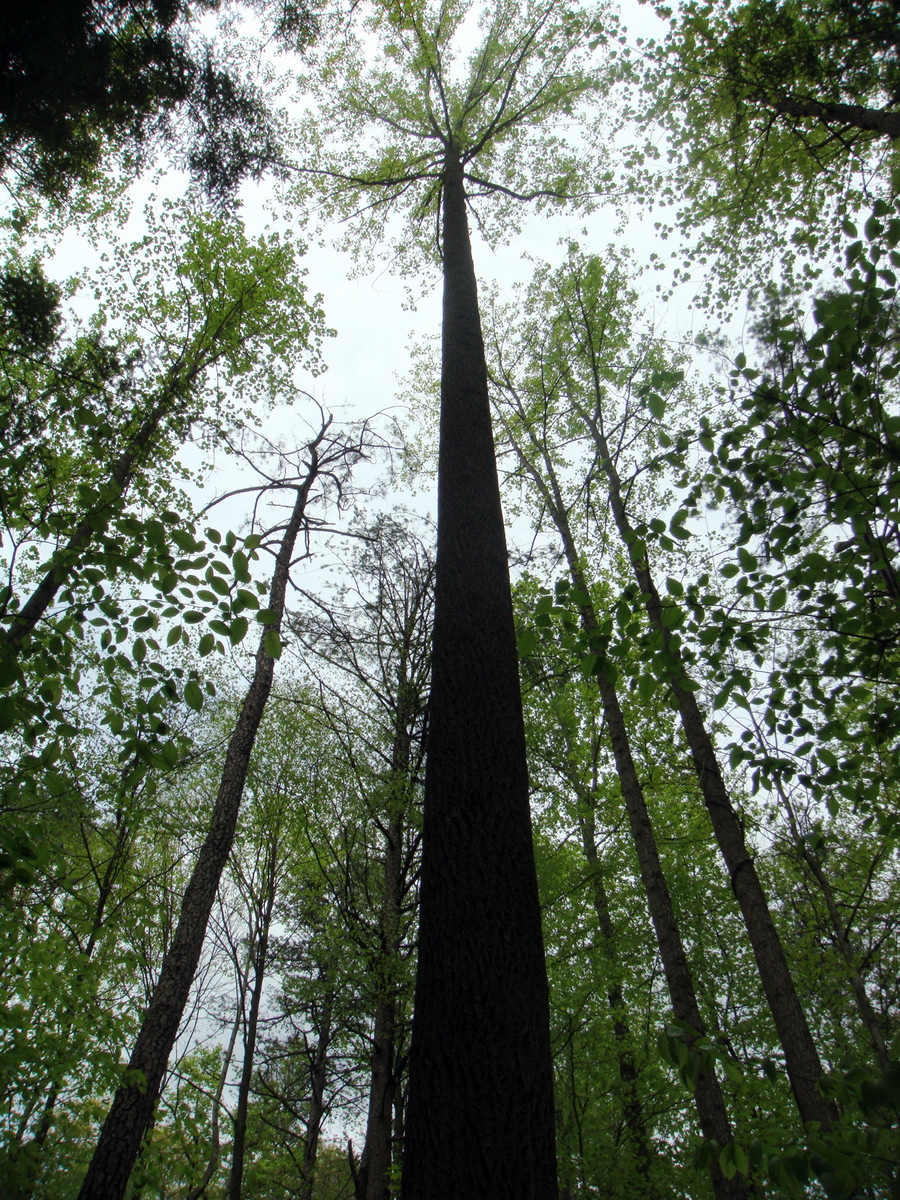

Gear up for Arbor Day

The great French Marshal Lyautey once asked his gardener to plant a tree. The gardener objected that the tree was slow-growing and would not reach maturity for a hundred years. The Marshal replied, “In that case, there is no time to lose, plant it this afternoon.”

Keeping that thought in mind, many Southwest Ohio Soil and Water Conservation Districts are offering tree seedling sales. You can check out the sales at the following links. Thanks to ODNR Regional Urban Forester Wendi VanBuren for this information.

Shelby Soil & Water Conservation District – (937) 492-6520 – Orders due by Friday, March 23rd. Pick-up on third week of April.

Darke Soil & Water Conservation District – (937) 548-1752 – Orders due by Wednesday, March 21st. Pick-up on April 3, 4 & 5.

Miami Soil & Water Conservation Districthttp://www.miamiswcd.org/ Orders due by Friday, March 16th. Pick-up on April 3 & 4.

Preble Soil & Water Conservation District – (937) 456-5159 – Orders due by Friday, March 16th. Pick-up on April 3.

Montgomery Soil & Water Conservation District http://www.montgomeryswcd.org/ Orders due by Friday, March 9th. Pick-up on April 3 & 4.

Greene Soil & Water Conservation Districtwww.co.greene.oh.us/soils Orders due by Friday, March 16th. Pick-up on April 12 & 13.

Butler Soil & Water Conservation Districthttp://www.butlerswcd.org/ Orders due by Friday, March 23rd. Pick-up on April 19 & 20

Warren Soil & Water Conservation Districthttp://www.co.warren.oh.us/warrenswcd/home/ Orders due by Monday, March 19th. Pick-up on March 29, 30 & 31.

Clinton Soil & Water Conservation District – (937) 382-2461 – Orders due by Friday, March 16th. Pick-up on March 29 & 30.

Hamilton – No Tree Sale

Clermont Soil & Water Conservation District – 513/732-7075 – Orders due by Friday, April 13th. Pick-up on April 21.

Highland Soil & Water Conservation District – (937) 393-1922 ext #3 – First come, first served. Pick-up on April 6.

Brown – No Tree Sale

Adams Soil & Water Conservation District – (937) 798-4018 – White Pine and Norway Spruce only – Ordering until gone. Arrive March 13th.


Raptors: Hunting on the Wing

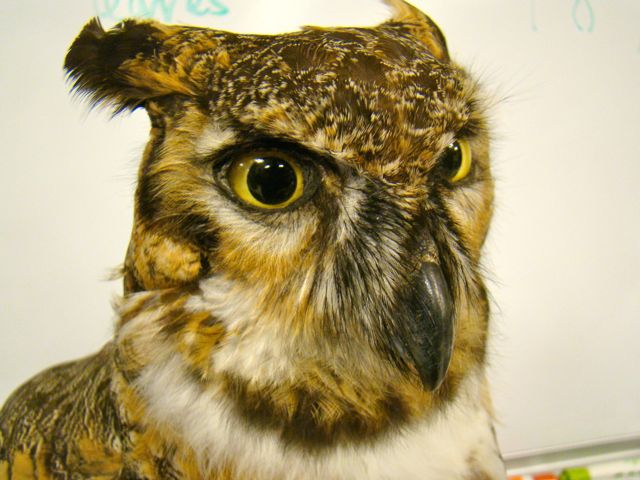
Great Horned Owl

This past Saturday I traveled to Cedar Bog Nature Preserve, just south of Urbana (OH) in Champaign County for a Raptor Workshop led by the amazing Tom Hissong, education coordinator for Aullwood Audubon Center. Participants were schooled on the numerous hawks, eagles, falcons and owls that can be found in at Cedar Bog as well as around Ohio.

Cedar Bog is an Ohio Historical Society property that is managed by the Cedar Bog Association. The bog is the largest and best example of a boreal and prairie fen complex in Ohio formed by retreating glaciers about 15, 000 years ago. It is home to many rare, unusual and endangered plants including the Small Yellow Lady Slipper and Showy Lady Slipper orchids. The 450-acre site features a one mile long board walk and an eco-friendly nature center, which was the location for the raptor workshop.

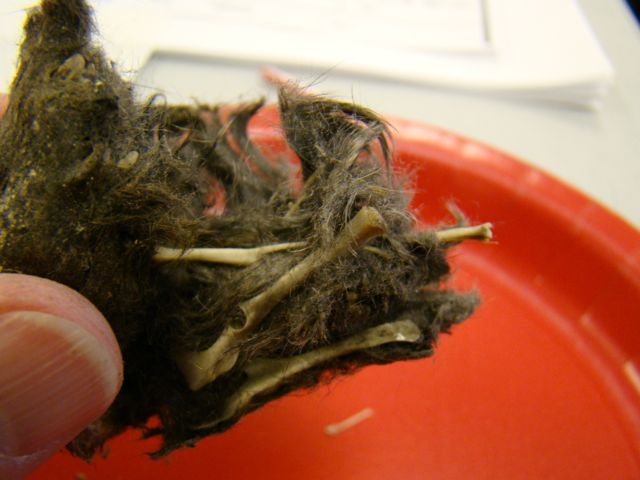
Small rodent bones in an owl pellet

Weird one that I am, I thought the highlight of the workshop was the opportunity to dissect an owl pellet. Less you are grossed out by this thought, would it soften the weirdness to know that the pellets were sterilized? Hmmm. I didn’t think so. Anyways, owls, as you may know, hunt and eat small animals like shrews, mice, voles and birds. They tear their food and swallow large chunks whole. They can’t digest all the hair and hard materials such as bones, so they regurgitate these in the form of a pellet. Sounds like an owl version of a cat’s hair ball!

Bones found in an owl pellet. The tiny bones just under the jaw are less than 1/4 inch.

Using a bone sorting chart (yes, there is such a thing) we discovered teeny, tiny vertebrae, ribs, shoulder bones, leg bones, sculls and teeth. It was quite interesting. It bears repeating: do yourself a favor and discover the wonders of nature by taking the opportunity to check out some of the wonderful places like Cedar Bog. You won’t be disappointed.

Yummy shortbread owl cookies. Who says birders don't have a sense of humor?

Sales alerts

Knollwood Garden Center – Beavercreek – Knollwood is really getting in some great and unusual house plant in stock. Just in time for Valentine’s Day (though who REALLY needs an excuse to buy a plant?) all tropical foliage plants are 20% off through the 18th. (Flowering plants not included.) Website HERE.

Grandma’s Gardens – Waynesville/Centerville-ish –  Grandma’s Gardens website has a $5 off a $30 purchase of regular priced items (some exclusions) through Wednesday, February 15. Coupon HERE.

No snow? No problem – Snowdrops are here!

Galanthus nivalis - Snowdrop

An early blooming harbinger of spring is the lovely Galanthus nivalis,  commonly known as a snowdrop. These European native perennial bulbs are in the Amaryllis family. Another common name of milkflower may find its origin in the translation of Galanthus: ‘Gala’ is Greek for ‘milk’ and ‘anthos’ is Greek for ‘flower’.

Snowdrops can be easily propagated by bulb offsets and lend themselves to beautiful displays when used in a naturalized, woodsy location. As is often the case with spring blooming bulbs, the time to purchase them is going to be in the fall – so you might as well start making your fall shopping list now. A great place to check out your bulb needs is at Brent and Becky’s Bulbs (link in the shopping list in the right column. Be sure to select ‘The Ohio Association of Garden Clubs” from the pull down fundraising menu.)

Gardening at the Governor’s Residence

Would you like to join a group that really needs your help? It will give you the opportunity to learn about Ohio history and native plants. You’ll make new friends and make a difference…. Curious? You are invited to join the Friends of the Ohio Governor’s Residence and Heritage Garden and become a Docent, Garden Guide or Governor’s Gardener.

Docents and guides give tours on Tuesdays and gardeners work in the Heritage Garden on Wednesdays (April through October.) Training is provided; a volunteer training session will be held March 28 so sign up soon! For more docent and guide information: Mary Mairose, marymairose@governor.ohio.gov. For more Governor’s Gardener information: Hope Taft, ohiohoper@yahoo.com

Educational Opportunities

Knollwood Garden Center in Beavercreek:

Saturday, February 18: Terrarium Workshop ‘Tiny and Terrific’-10am: At this free seminar, learn how to make a terrarium. After the demonstration, feel free to make your own!  Bring your own container or find one in the store. Planting medium is provided for a $7 fee. Plants can be purchased at the workshop. Registration is required. Call 426-0861.

Meadowview Growers in New Carlisle:

Saturday, March 3: Kid’s Club-10:00 am: Discover the “Lost World” garden. Create a mini garden that any dinosaur would love to roam through. All materials supplied. Cost is $5.00 due at time of registration. Register by Feb. 27. Call 937-845-0093.
What’s New in Annuals and Perennials 2012-10:00 am: This colorful power point presentation will give you a birds-eye view of Meadow View’s newest offerings for spring 2012. Cost is $5.00 due at time of registration. Register by Feb. 27.
Raised Beds and Rain Barrels- 2:00 pm: Learn the advantages and ease of gardening in raised beds and see with a step-by-step instruction on how to build a rain barrel. Cost is $5.00 due at time of registration. Register by Feb. 27.
Saturday, March 10th:  “Bark, Buds, and Leaves; The Beauty of Trees”- 10:00 am- Join Chris Jensen from Wegerzyn Metro Park for an exciting discussion on the glorious nature of trees. Cost is $5.00 due at time of registration. Register by March 2.
“Garden Art-Create a Glass Totem”- 10:00 am- “Repurpose” your old glassware into a unique piece of garden art in this hands-on-workshop. Comb the cupboards, thrift stores, and garage sales for the perfect piece. This project has been featured in ‘Birds and Bloom” and “Garden Gate” magazines. Bring your own glass or purchase pieces during the workshop. Fee is $20.00. A $10.00 deposit is due upon registration. Register by March 2.
“Create a Miniature Garden”- 2:00 pm- Miniature gardening is the latest trend. Create the perfect replica of a real or fantasy world on a miniature scale. Cost is based on materials used. Deposit of $10.00 is due at time of registration. Please register by March 2.


Think again about this mild weather

Asian Longhorned Beetle

Though the weather has been a wonderful breath of fresh air – literally, it may hurt us in the long-run. Lacking a deep freeze in temperatures, a mild winter won’t kill many of our insect pests. I hope you like bugs. If things don’t change soon, we’re sure to be in for a long fight in our yards and gardens this summer.

One of the insects already on the radar is a monster (body 1 to 1.5 inches long)…….and it is a bigger threat to the trees in our communities than the emerald ash borer: it is the Asian longhorned beetle. The Ohio State University (OSU) Extension’s Joe Boggs gives an excellent educational video presentation about the Asian longhorned beetle (ALB) to help us know what to look for and what to do if we suspect we have an infected tree on our property. Check out the video CLICK HERE. 

The Ohio ALB infestation was found in 2011 in Clermont County, east of Cincinnati. As of late December over 5000 trees have been identified as infested and 1100 infested trees have already been removed. Unlike the emerald ash borer (EAB), it has multiple host trees – like more than 12 kinds! Yikes! Like EAB it will eventually kill its host trees. ALB is a lazy, bad flier, so we have a much better chance of eradicating it, unlike EAB.

Take the time to watch Joe’s 45 minute video and learn about ALB, where it came from, what species it eats, how to identify it, and the potential impacts it could have in Ohio. Early detection is the key, so the more people that are aware of identifying this species, the more likely we are to catch them quickly and eradicate them. It is so important to have more people aware and looking for the early signs. Learn more abuot ALB by heading to www.beetlebusters.info

Educational Opportunities

Be sure to check out the EVENTS CALENDAR tab at the top of the page to stay informed on other educational opportunities and events.

Starting with Native Plants – Three Perspectives – Feb. 4, 10am to 12pm

Learn from the experiences (and mistakes) of three people who are already using Native plants in their landscapes. Tim Sisson, President of the Western Wildlife Corridor, will share large acre habitat restoration experience. The Western Wildlife Corridor preserves land along the Ohio River in its natural state. Sandy Holt will share what she learned in her attempt to build a bird friendly, woodland backyard on two acres of a previous farm. Mary Janet Edwards will speak about design principles and incorporating natives in a more traditional design. Mary Janet runs a garden design business called “Garden Beauty for You, LLC”. Bring your questions and ideas for our panel to discuss. Directions: Civic Garden Center, 2715 Reading Rd Cincinnati, OH 45206. CGC is between Oak and Taft on the grounds of the Hauck Botanic Garden. Parking is available off Oak St by the CGC & in the medical center lot on the north side of Oak plus spaces is open behind the building along the paved paths.

Siebenthaler Sunday Seminar Schedule

Who-Who–Who-cooks-for-you……

Barred Owl (I took this photo in the Florida Everglades)

I invented a weird game several years ago while traveling alone many hours on the highways of Ohio. It’s a Roadkill contest. I’m the only one playing. (Hey, it kills time and keeps me alert.) Perhaps it is better described as a scientific wildlife survey. Whatever the case, here’s how you play: keep a mental tally of how many of what kinds of animals are on side of the road of which the vehicle is traveling. There is one exception to the rules: a dead deer can be counted no matter which side of the road it is spotted. It may sound morbid but it was very interesting to discover population patterns in during different times of the year. For instance, skunks are more prevalent in late winter/early spring. Groundhogs in the summer. Possums and raccoons tend to be found year round. I noted the decline of cottontail rabbits and the increase of coyote. Occasionally I’d spy a bird of some sort but it wasn’t the norm.

So when I recently glimpsed what I thought was a dead owl on the side of the road, I could hardly believe it. THAT’S a first for me. I checked it out later and discovered a beautiful barred owl that did not appear to be damaged – other than being dead. It seemed such a sad tragedy for such an gorgeous work of nature. I did what I had to do – and brought him home. Barry, as I affectionately named him, is now off to Wahkeena Nature Preserve (Fairfield County, OH) south of Lancaster, Ohio where he/she may be added to the natural history collection in Wahkeena’s Nature Center. In case you wonder about the title of this post, it is my interpretation of the call of a barred owl. You can listen to it HERE.

If you are alert, you too may find nature all around you – even at this time of the year. Keep your ears open for the great horned owls who are in mating season right now. I have heard that the male has a hoot/call that is lower pitched than the female. Keen ears may also hear coyote who are in mating season as well.

Educational Opportunities

Greene County Master Gardener Program

If you live in Greene County and would like to become a Master Gardener Volunteer,  Master Gardener Applications are being accepted for the class starting in February 2012. Detailed information is available under Master Gardener Volunteer Program at http://greene.osu.edu or by calling 937-372-9971.

Flowers in January?

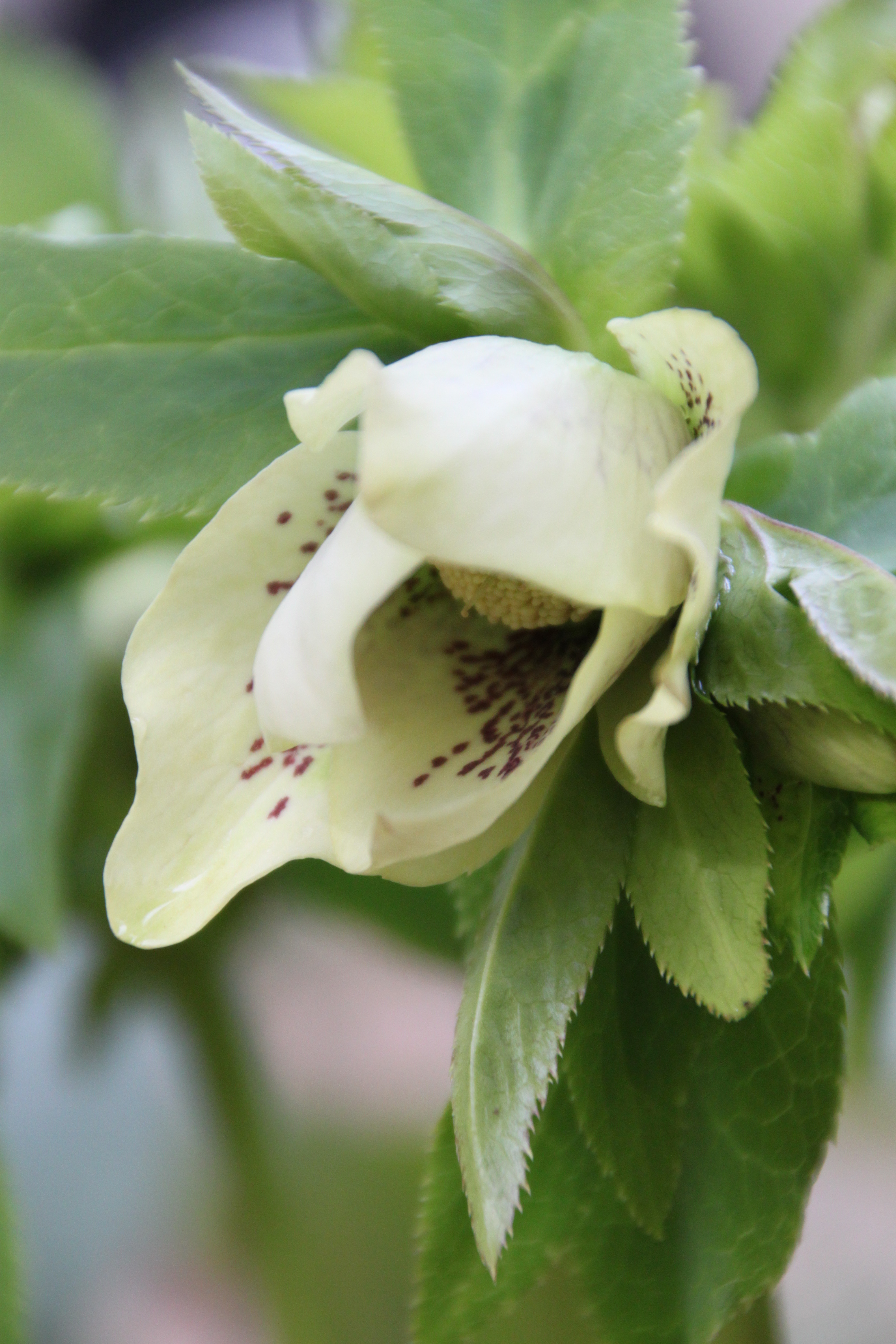
Helleborus spp.

It’s hard to believe that anything in our Miami Valley gardens would be thinking about growing let alone blooming in January yet a stroll around the garden proved just that. Today’s spotlight is on the plucky group of perennials in the Helleborus genus which are also known as Hellebores or the Lenten Rose.

If the perk of having something bloom in your garden in late winter/early spring isn’t enough to entice growing these beauties, perhaps knowing that many of the cultivars have leathery, evergreen foliage will. The Hellebores are truly a sight for sore eyes on a day like today!

Educational Opportunities

Montgomery County Master Gardener Classes Gear Up

Do you love to garden?  Would you like to learn new skills and meet others who share your horticultural interests? Applications are currently being accepted for the 2012 Ohio State University Extension Master Gardener Volunteer Program.  Classes meet every Tuesday from 9 a.m. to 4 p.m., March 6 through May 8, 2012, at the extension office at Montgomery County Fairgrounds, 1001 South Main Street, Dayton.

Training provides 50 hours of classroom instruction provided by OSU professors, county extension agents and other experts.  Topics cover a broad range of subjects, including plant propagation, herbaceous and woody ornamentals, trees and lawns, soils and fertilizers, fruits and vegetables, herbs, pest management and more.

Participants must attend one of several volunteer orientation sessions scheduled for February 7 – 9, 2012.  They also must pass a background check before entering the program and volunteer 50 hours of horticultural service to the community after completing the classroom instruction to become a certified Master Gardener Volunteer.  The class fee is $150.

For more information, please contact Clare Thorn, Program Assistant, Horticulture, at (937) 224-9654.  Applications and other required forms are available on line at www.montgomery.osu.edu.  The deadline for application is January 30, 2012.

Birds of a feather

Snowy Owl, Hardin County, OH

Were you one of the lucky few who caught a glimpse the glorious Snowy Owl in nearby Hardin County north of Bellefontaine (OH)? If not, our Viner friend Roger Garber put his new camera lens to work and has shared a wonderful shot for you. Snowy Owls, normally residents of the Arctic north, have been spotted much, much farther south of their native range. This unusual visitation is called an irruption and may be the result of inadequate food sources, primarily lemmings, that may have driven some owls this far south.

Sadly, it was reported today on the Ohio Ornithological Society’s Facebook page that our local avian media star was found dead today perhaps a victim of starvation. Take a listen to Jim McCormac, a biologist with ODNR’s Division of Wildlife, who was interviewed on  NPR’s All Things Considered by Melissa Block HERE.

The Harry Potter fan in me says, “Hedwig, we hardly knew ye….”

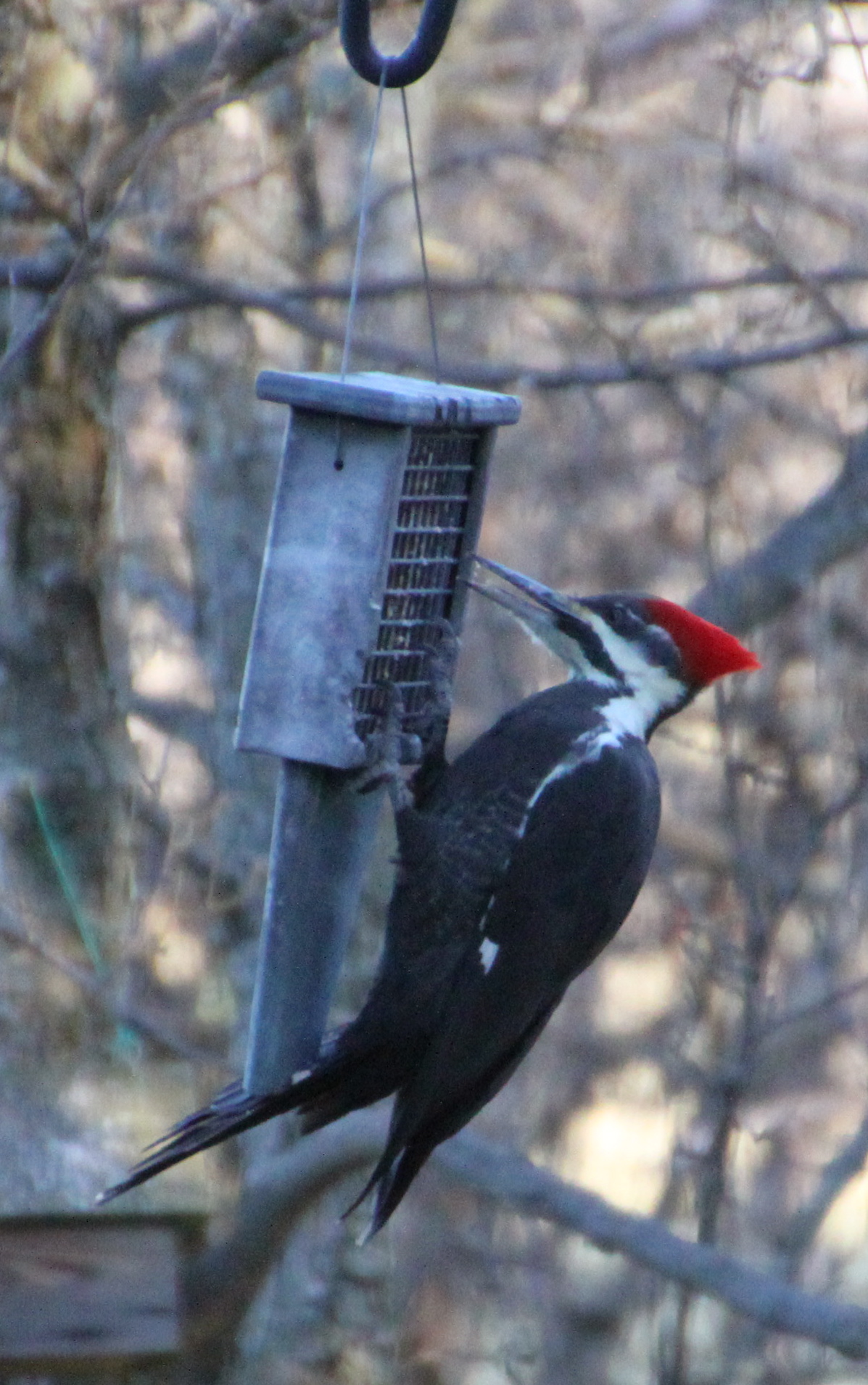
Pileated Woodpecker

I always enjoy feeding the birds in my backyard. Suet is a great way to attract many birds. Imagine my excitement spotting this pileated woodpecker. Thank goodness the feeder had a tail prop or else this guy would have been left hanging!

Educational Opportunities

Yes, it’s that time again! WHOOOOO HOOOOOO! The seminars, conferences and symposiums are gearing up.

Adams County Amish Bird Symposium – Saturday, March 3

This daylong celebration of birds features speakers, vendors and activities at the Wheat Ridge Amish Community Building, West Union (OH). Speakers include Harvey B. Webster, Cleveland Museum of Natural History; author Geoff Hill, Auburn University professor; Chris Gilkey, Wildlife Officer; Jim McCormac, Division of Wildlife; and Kimberly Kaufman Black Swamp Bird Observatory. Amish lunch included. Find registration information HERE.

Wildlife Diversity Conference – Wednesday, March 7

Wildlife Diversity: The Good, the Bad and the Ugly. Held at the huge Shriner’s Complex in Columbus, this event is awesome. Speakers are among the best in their field. Worms, Freshwater Mussel Restoration, Aquatic Invasive Species, Lake Erie Pelagic Bird Survey, Wildlife Orphans, Wetland Restoration & Small Mammal Community Structure and Beavers/Porcupines and Fishers. All in one day! Read more/register HERE.

Hosta College – Friday/Saturday, March 16 & 17

One of the most anticipated events of the spring is the American Hosta Society Great Lakes Region’s Hosta College in Piqua (OH). This year the date is Friday-Saturday, March 16 & 17. Check it all out HERE. Early class registration for Miami Valley Hosta Society members opens 12 midnight January 13. Non-member registration opens January 25 at midnight.

Winter color

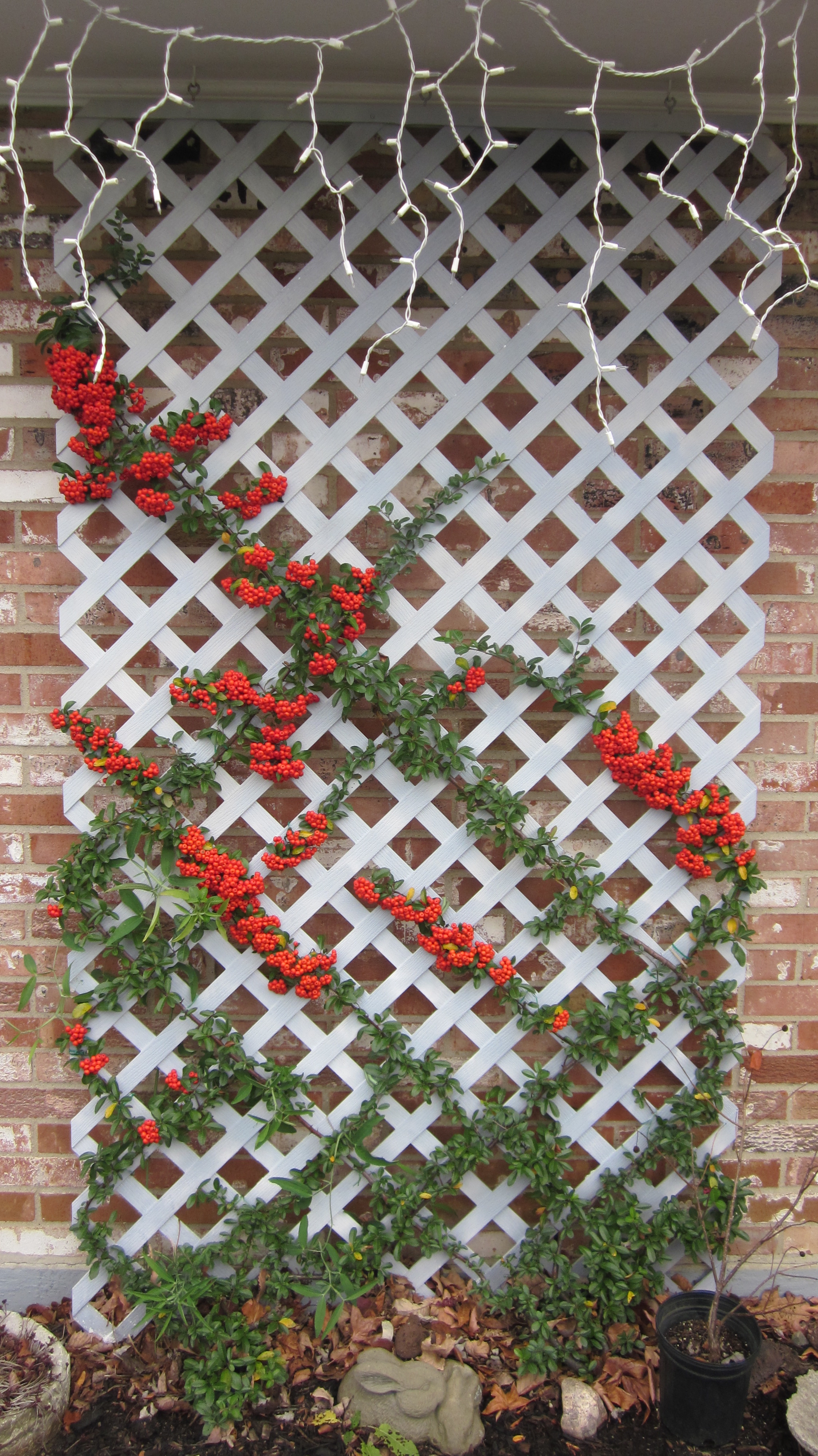
Espaliered Pyracantha

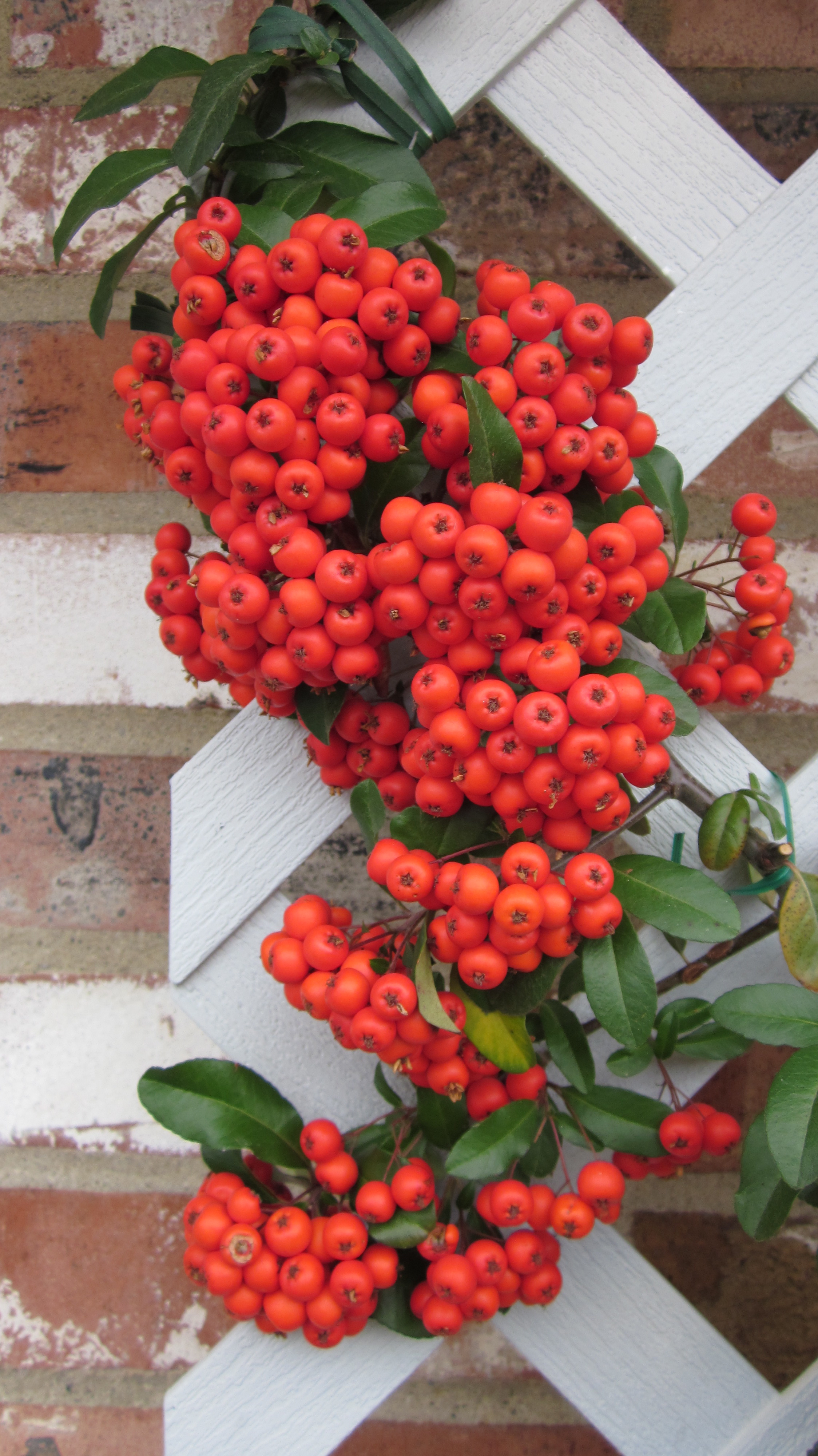
An accomplished gardener realizes that the rewards of growing continue long after the frost knocks out the annuals and perennials. If done properly, one can enjoy the natural beauty of plants all winter; indoors and out. In the drabness of winter a spot of red can really hit the spot, especially when it is right at your front door. Take a look at the wonderful welcome this espaliered firethorn (Pyracantha spp. x ‘Mohave’) offers.

Pyracantha 'Mohave'

Pyracanthas have dark, glossy usually evergreen foliage. Though they may grow to be large shrubs if unattended, you can see that fellow Viner Louise is a dedicated pruner and easily keeps her plant in line. Louise chose to plant the hybrid ‘Mohave’ because of its beautiful, brilliant orange-red berries.

Her Pyracantha has persistent foliage and bears its berries on second year growth from mid-August to midwinter. This variety is also highly resistant to scab and fireblight and tolerates dry soil conditions.

My luck with poinsettias

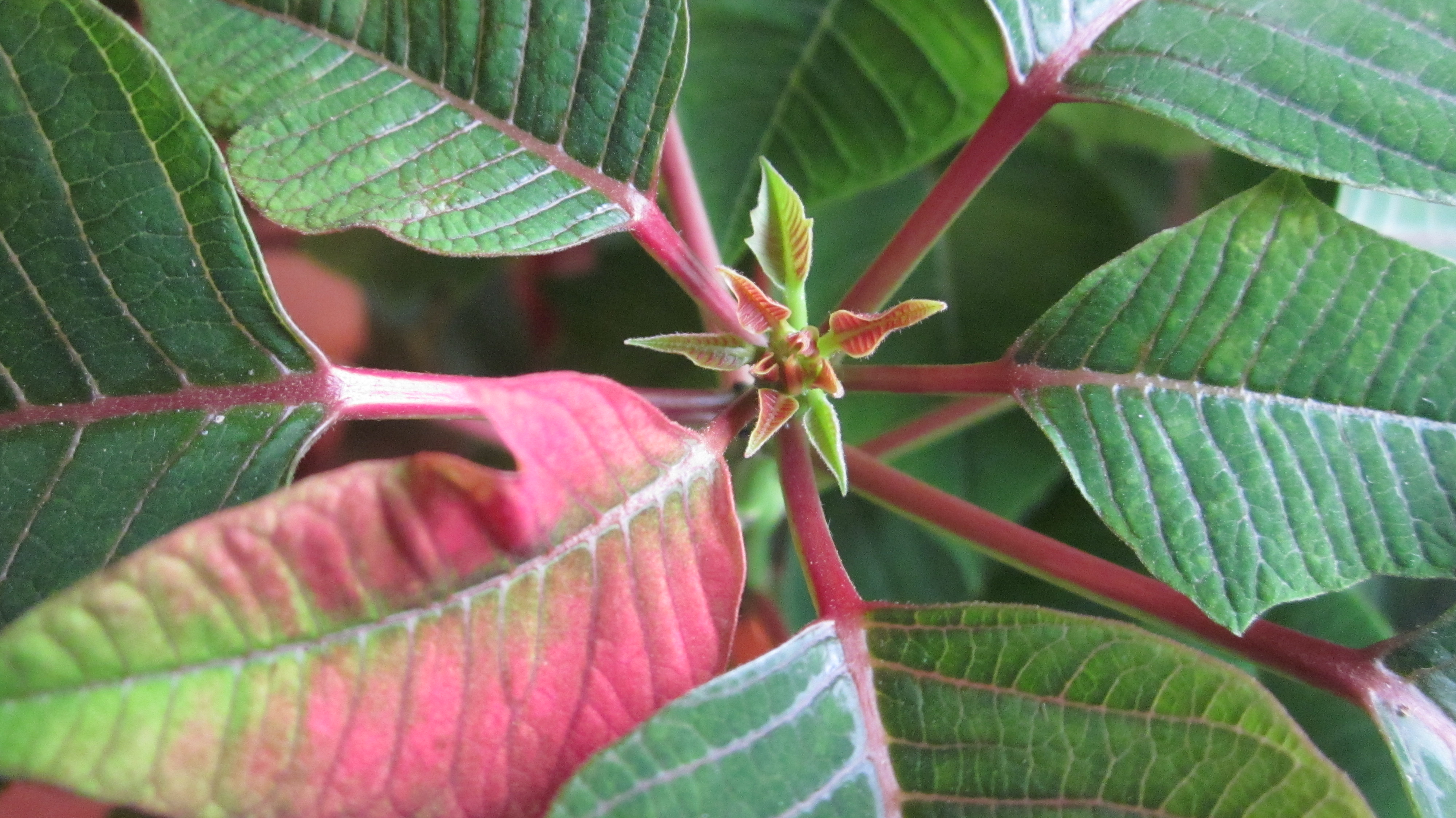
Here is a shot of my attempt to get some bloom action from poinsettias I’ve been growing since last December. Keeping in mind that poinsettias require a period of long nights and short days to set bloom, mine have been sequestered near an east window of a spare, not-so-warm room. It is a room that we don’t use so the only light the plants get is the natural light from the window. A hint of red is starting to be seen as is the set of the bloom. It’s a far cry from something seen in the store but I consider it a small success!

Which color to choose?

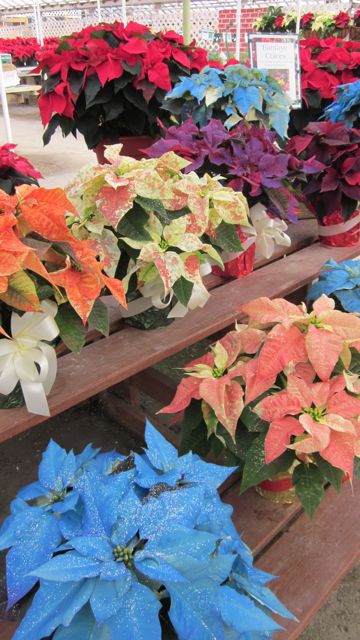
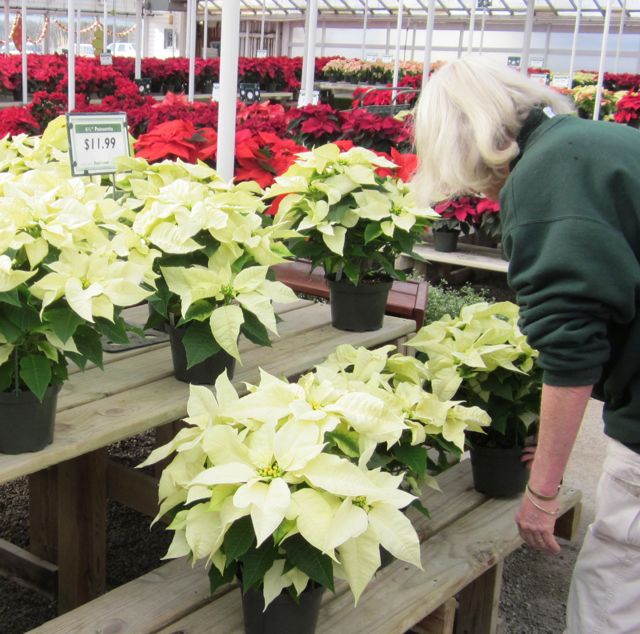
One of the prettiest sights of the holiday season just might be a greenhouse growing range of poinsettias at their peak. Joel Poinsett, ambassador to Mexico in the 1820s, is generally credited with introducing the poinsettia (Euphorbia pulcherrima) to the U.S. He had the foresight to bring specimens back to his South Carolina greenhouse. In Mexico, its native home, the poinsettia is a perennial shrub that can grow to ten feet! The beautiful red, white, pink and variegated bracts are not flowers at all, just colorful leaves. The true flowers of the poinsettia are located in the center of the bracts at the tip of each stem; they are those little tiny yellow blobs that can easily be overlooked.

Many say that the poinsettia is poisonous. Though the plant leaves and stems do ooze a milky, white sap when broken, the toxins which contain diterpene esters, vary by variety. An Ohio State University study reported that, if ingested, the plant may only cause some stomach discomfort. The sap may cause some skin irritation and you definitely don’t want to get it in your eyes. Ok. Call me a chicken, but I’m not going to test the validity of this report. It would be wise to keep them out of the reach of children and pets.

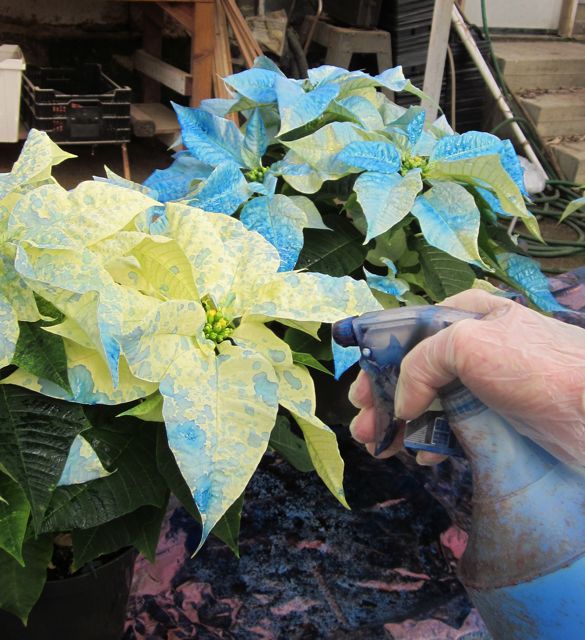
There are hundreds of different colored varieties on the market right now. If you frequent a quality garden center, they should even have the varieties noted by name. Say you’ve seen blue poinsettias in the stores? You can’t blame the sightings of blue poinsettias on that eggnog you’ve been drinking. Here’s the scoop on the behind-the-scene magic!

The grower will take one naturally grown white poinsettia, some commercial plant dye and spray until the desired color is reached. Blue, pink, burgundy, orange, yellow…. For purple, just spray the blue dye on a naturally grown red poinsettia. I learned something really neat: the dye can be used on other plants such as Euphorbia ‘Diamond Frost’.

Start with a white poinsettia...

... choose your color...

... spray with dye ...

... and, tada! A blue poinsettia.

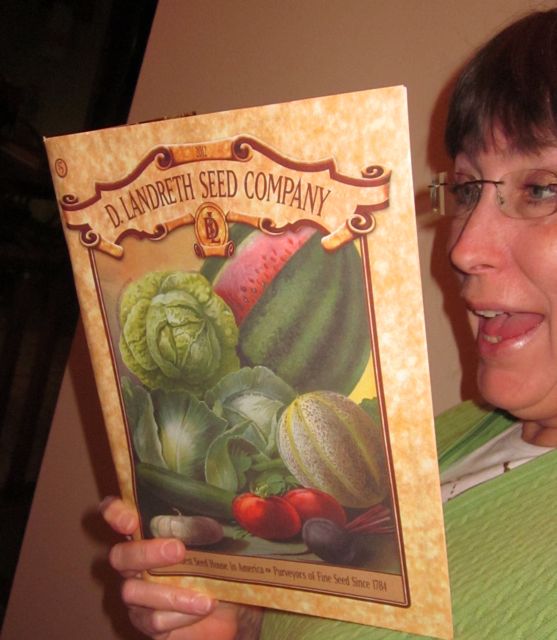
My Landreth seed catalog is here

As I mentioned a while back, the D. Landreth Seed Company, the oldest seed company in the U.S. (since 1784!), is in financial troubles. The company is not out of the woods yet but the sale of their 2012 catalog goes a long way to preserve its future. I ordered 4 and should have ordered more. It’s WAY more than a seed catalog – it’s U.S. agriculture history in your hand. If you haven’t ordered your catalog yet, you’d better get on the ball before they sell out. Check their website out HERE.

Yipppeee! It's here!