Here is a follow up reply from the previous post…..
Re the question: Where do you store your birdseed?
I have good luck using large plastic trash cans with tight fitting lids. I use one each for my nyjer, black oil sunflower seed and dog food (when I had a dog). Our local mill has great process on 50# quantities of bird feed and the tight lid protects them from the critters. My only problem: the closed container provides a horizontal surface on which to put stuff. — Babs in Beavercreek
Ohio’s Big Trees
Since 1940, the conservation group American Forests has documented the largest known specimens of every native and naturalized tree in the United States. Each Big Tree receives a score based on trunk circumference, crown spread and total height. Do you want to know where they are? Do you think you have a champion in your neck of the woods? Big Trees are generally found in yards, parks, arboretums and cemeteries where their size stands out. They are less frequently found in dense forests where trees have much more competition for growth. Learn more about it at this ODNR link: Ohio Big Trees
Emerald Ashborer (EAB) information from Ohio Department of Natural Resources (ODNR) Urban Forester Wendi Van Buren:
SW Ohio Communities,
ODNR continues to provide communities, organizations, and individuals with the most up to date EAB management information, so that you can make the best decisions for your community. I am proud of the number of communities in SW Ohio who have developed EAB Management Plans specifically for the needs and resources for your communities. Most of you have EAB Management Plans that have all three components (treatment, removal, and let die naturally) as parts of your Plans depending on the condition and placement of the ash trees in your town. I think you will find the attached Statement document from the Coalition for Urban Ash Tree Conservation helpful.
Coalition for Urban Ash Tree Conservation Statement
“We the undersigned strongly endorse ash tree conservation as a fundamental component of integrated programs to manage emerald ash borer (EAB) in residential and municipal landscapes. Cost-effective, environmentally sound EAB treatment protocols are now available that can preserve ash trees through peak EAB outbreaks with healthy canopy intact. Used in association with tree inventories and strategic removal / replacement of unhealthy ash, tree conservation will help retain maximum integrity and value of urban forests. This integrated approach to urban EAB management is supported by university scientists with expertise in EAB management, commercial arborists, municipal foresters, public works officials, and non-governmental organizations (NGOs).”
EAB Management Plan Resources
Seed/Plant catalogs are hitting the mailboxes and email boxes
Bluestone Perennials – An Ohio nursery and your source for over 1000 varieties of perennials, grasses, mums, shrubs, herbs and fall bulbs.
Brent and Becky’s Bulbs – Bulb growers since 1900, their 2011 Summer-Flowering Bulbs Catalogue is now out. When you visit Brent and Becky’s at the link above, please select the Ohio Association of Garden Clubs from the drop down menu. The Ohio Association of Garden Clubs will earn a percentage of your non-sale purchase.
Harris Seed Company – Vegetable, flower seeds. Bulbs, corms, plants and more. Catalog sales began in 1879. For free shipping and handling on orders placed by March 31, 2011 – use promo code 1PRW104. (Not valid on High Tunnels, plugs & liners and bulk Worm Power)
Totally Tomatoes – Specializing in tomato and pepper seeds. You never knew there was so much selection in variety of tomatoes and peppers. I found my beloved Amish Paste Tomato here.
D. Landreth Seed Company – Selling seeds since 1794, they are the oldest seed company in the U.S. This is where I found the seed to an heirloom purple pole bean, Purple Peacock. I had originally received the seed through The Ohio Association of Garden Club’s Gardening for Excellence seed program. I loved them so much I went on the search to find the seed.
Plant Delights Nusery – A mail order company in Raleigh, NC specializing in new and unusual perennials known well for their hosta selection and much more. Their catalog will be a feast for the eyes and may give you a fit of the giggles as well.
Educational Opportunities
It is said that the mind is a terrible thing to waste. It’s also said that if you don’t use it, you lose it. One way to keep in the game is to take advantage of the numerous educational advantages available to us every day – if only we know where to look. Here are just a few of some of the more notable options around the state:
Adams County Amish Bird Symposium – March 5 (West Union, OH)
I look forw ard to and have attended this symposium for about 4 years now. It is VERY popular and is limited to 300 attendees. It features experts who are top in their fields, vendors and Amish-made doughnuts and lunch. Speakers include: The Big Year (Greg Miller from the Amish community); Birding Field Guides: The Beginning and The End (Jim Berry, director of the Roger Tory Peterson Institute); Living on the Wind: the Miracle of Bird Migration (Scott Wiedensaul, author); Close Encounters (Matthew Studebaker, photographer); Kirtland’s Warbler Winter Habitat Conservation (Claire Larkin). Read more here: Amish Bird Symposium
2011 Ohio Wildlife Diversity Conference- Connecting Wildlife, Habitat and People – March 9 (Columbus, OH)
Sponsored by ODNR’s Division of Wildlife. Topics include: Sandhill cranes; Distribution of Softshell turtles; Conservation genetics and the Eastern massasugas rattlesnake; Fishing access for steelhead trout and riparian corridor protection; Evaluating stress in hellbenders (hellbenders are salamanders and are the largest amphibians found in Ohio, some up to 27″ long!); Fostering Conservation Partnerships the Wildlife Officer Way; Birding for Everyone. The new 2011 Ohio Wildlife Legacy Stamp will make its debut. I can’t wait to go! Read more here: Wildlife Diversity Conference
 2011 Ohio Botanical Symposium – March 25 (Columbus, OH)
Presented by the Ohio Division of Wildlife, in cooperation with the Cleveland Museum of Natural History, The Nature Conservancy and The Ohio State University herbarium. This symposium is for anyone who shares and interest in Ohio’s flora, wildlife and natural history. Topics include: What Climate Change May Mean for Plants: Global, National and Regional Consequences; Best Plant Discoveries of 2010; Ohio’s Native Clovers and Their Kin; Oak Openings’ Butterflies; Assessing Invaisiveness in Ohio’s Plants: Revising the List of Top Invaders; What Was That Botanist Thinking?: The Meanings Behind the Names of Ohio Plants; Circle of Time: The Life, Death and Rebirth of an Ancient Landscape. Read more here: Ohio Botanical Symposium I’m going to this too!
In a Garden of Eden: The Medicinal and Edible Plants of the Appalachian Mountains – April 14 (Pomeroy, OH)
Sponsored by The Ohio State University Meigs County Extension, this seminar held April 14 in Pomery, Ohio features some great native plant speakers. The brochure is attached.
Another Awesome Blog to Visit
http://heather-heatherofthehills.blogspot.com/2011/01/treats-for-birds.html
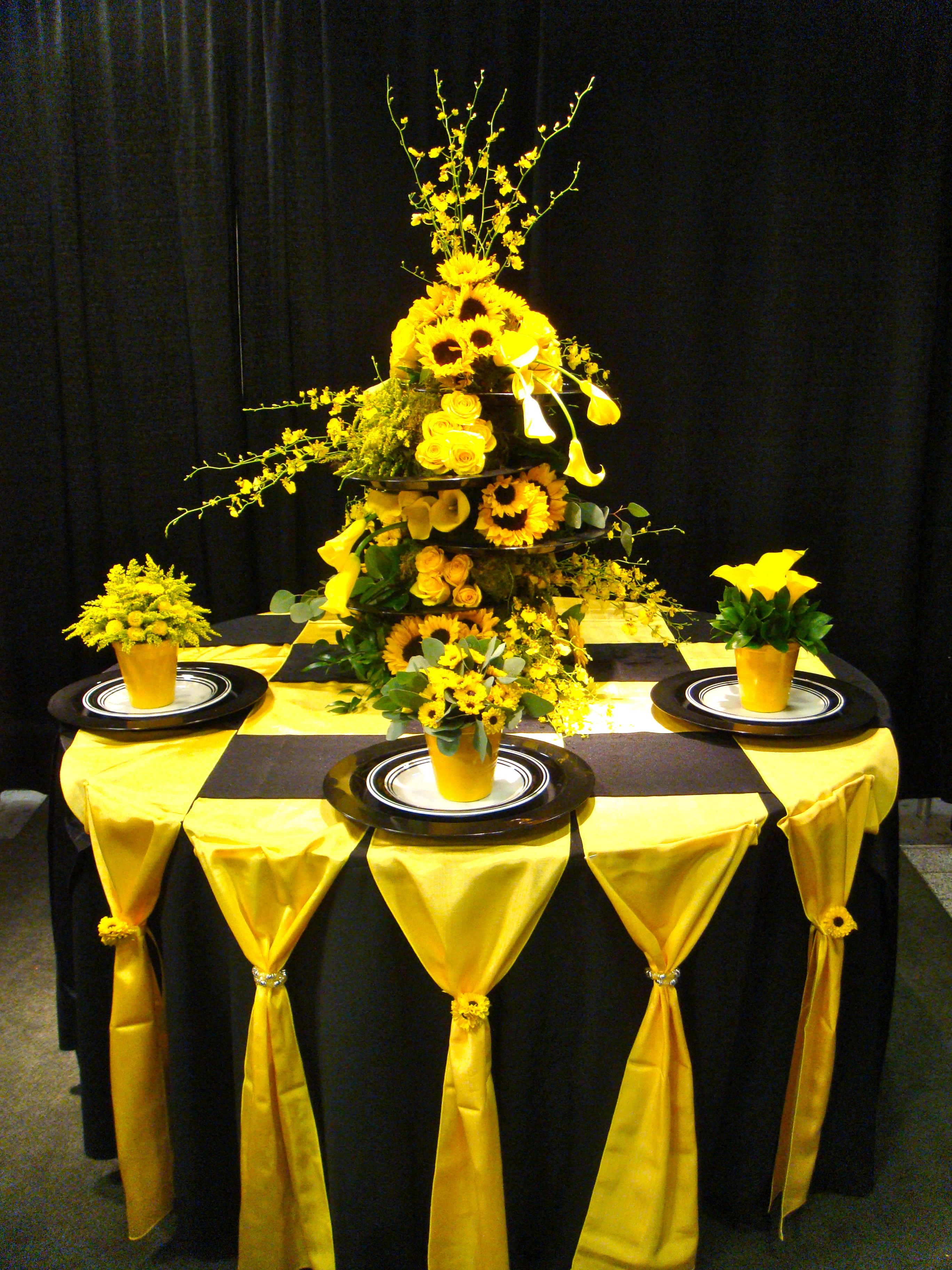 If you are getting a little stir crazy with all of this rain, why not head downtown to the Dayton Convention Center and take in some of the sights at the Dayton Home and Garden Show running through Sunday afternoon. One of the highlights to see is the American Institute of Floral Designers (AIFD) competition. The displays are reminiscent of what one might see at the Philadelphia Flower Show.
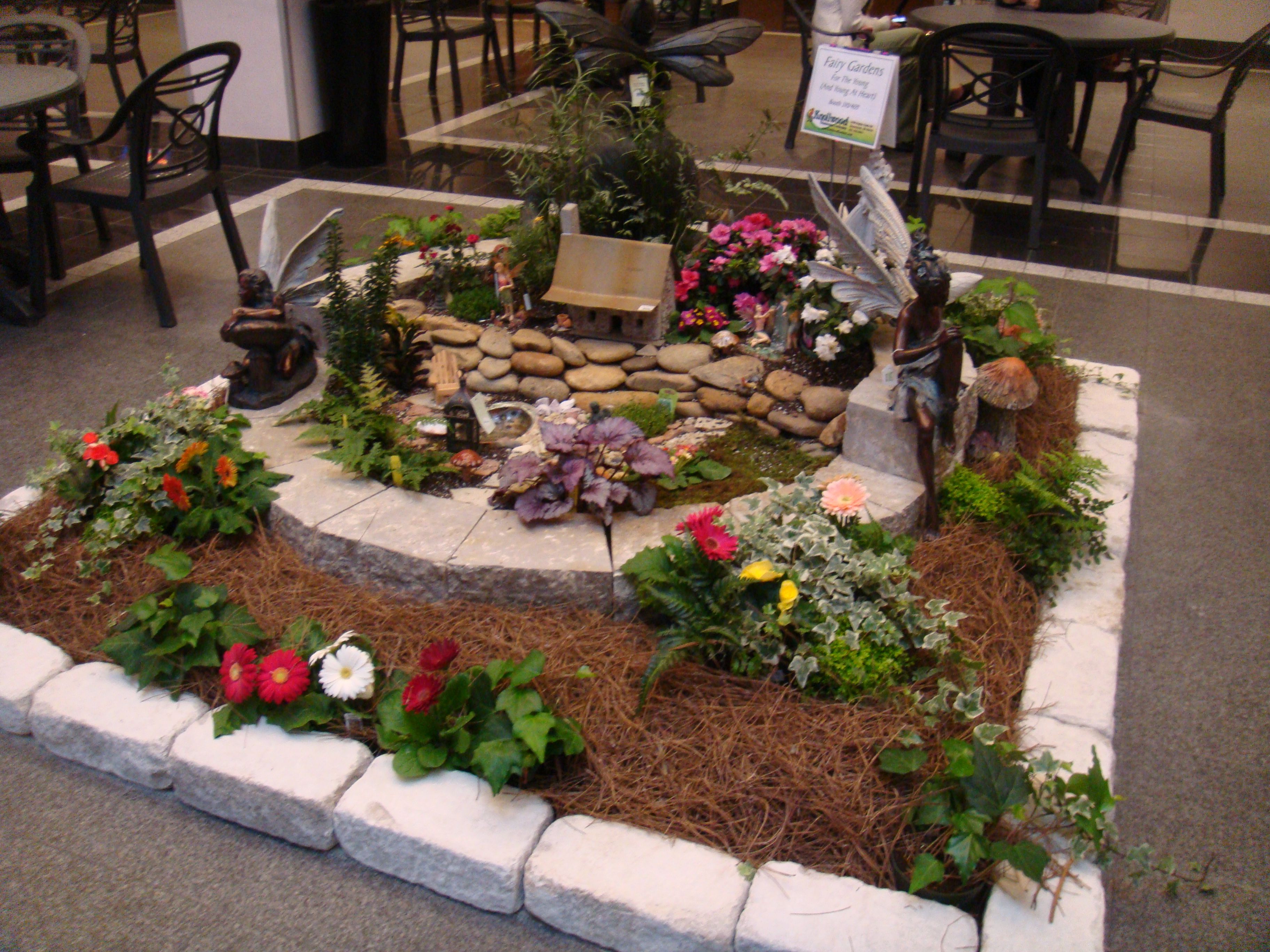 Landscape vendors have some beautiful displays. One of my favorites was designed by our friends at Knollwood Garden Center in Beavercreek. This cute Fairy Garden is located out in the convention center lobby.


 Vickster's Vine